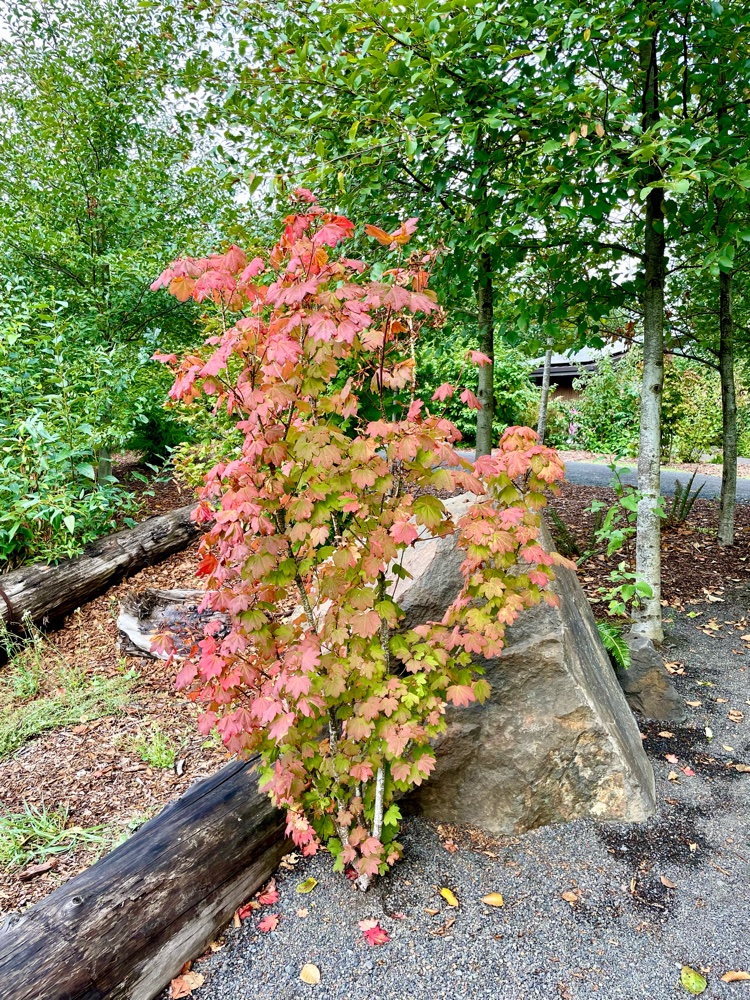
When green chlorophyll pigments leave the leaves of plants as fall approaches, other hidden pigments become visible to help turn this maturing plant to the color of flame. Carotenoids produced the yellow and orange pigments seen in autumn leaves and were always present in the leaves but hidden behind the chlorophyll. Red, purple, and their combined colors are produced by anthocyanins and, while not initially present in the leaves, develop later as the leaves mature. A combination of carotenoids and anthocyanins produce the lovely fall colors seen in trees and bushes, however, you don’t have to give one whit about photochemistry to enjoy them.
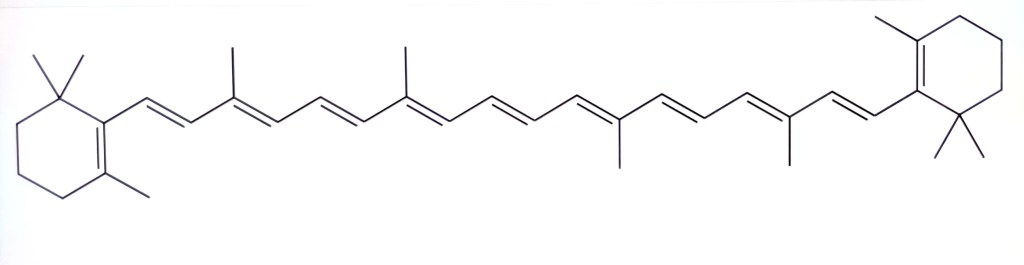
(But carotenoids do have a really cool chemical structure.)
#photochemistry #biochemistry #fallcolors #autumn
 Eskildoodle Photos and Feelings
Learning is a lifetime pursuit. Your blogs certainly contribute to that endeavor. 😀Sent via the Samsung Galaxy S21 FE 5G, an AT&T 5G smartphone
LikeLiked by 1 person
True glimpses of approaching fall. Interestingly, Iwas just reading about seasonal leaf and tree changes this morning. I do think I will leave the deeper chemistry cycle for your brain and just enjoy the season…and your photos.Sent from my Verizon, Samsung Galaxy smartphone
LikeLiked by 1 person